


Advanced manufacturing solutions engineered for precision, sustainability, and high-volume output.
As a global leader in wet wipe manufacturing, our biodegradable wet wipes achieve a perfect balance between exceptional performance, human safety, and environmental sustainability, fully adhering to international standards for eco-friendly personal care products. Below is a detailed breakdown of the product’s performance, core functions, safety and environmental attributes, and compost certifications.
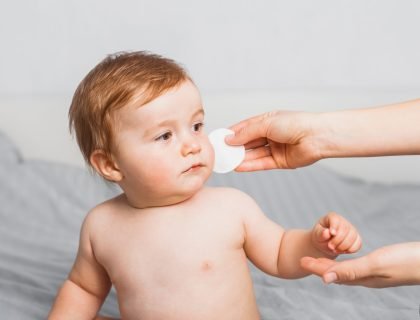
Free from alcohol, parabens, fragrances, dyes, and MIT (methylisothiazolinone), making them suitable for infants, pregnant women, individuals with sensitive skin, and those with hemorrhoids, offering a soft and non-irritating cleaning experience.
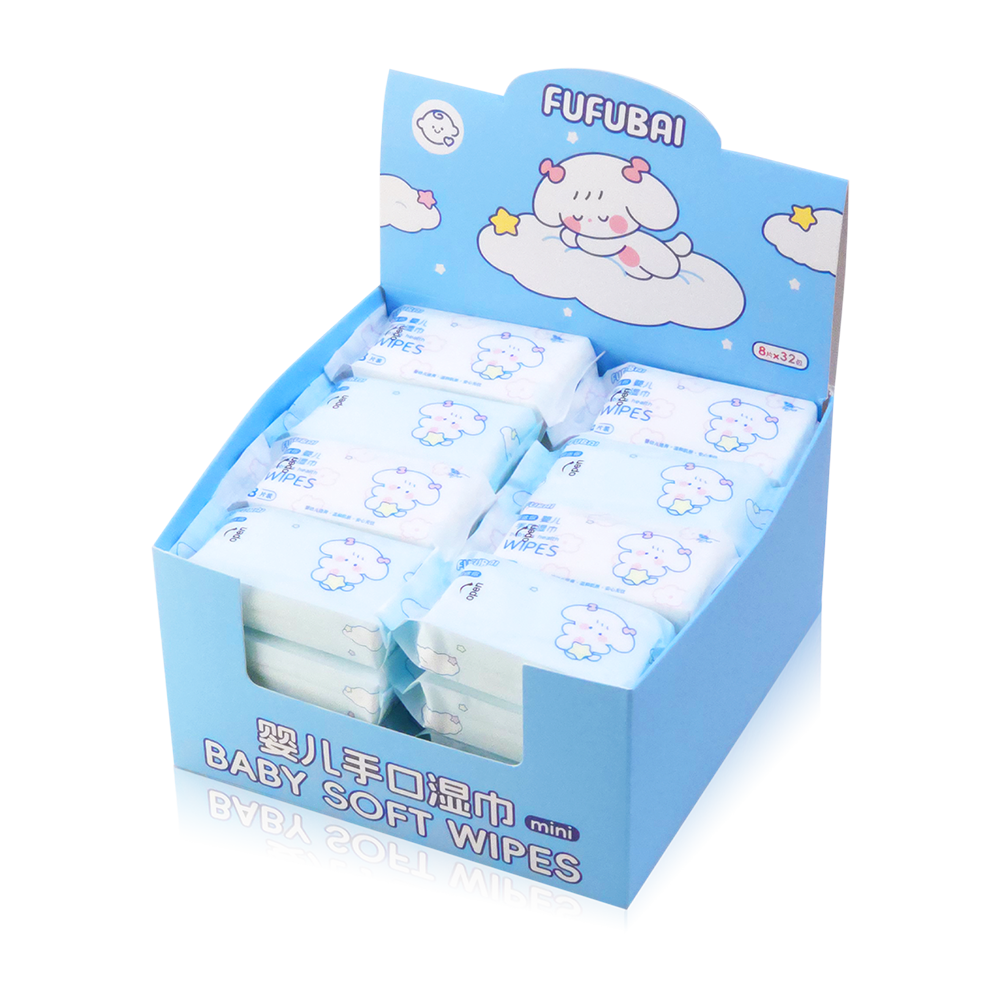
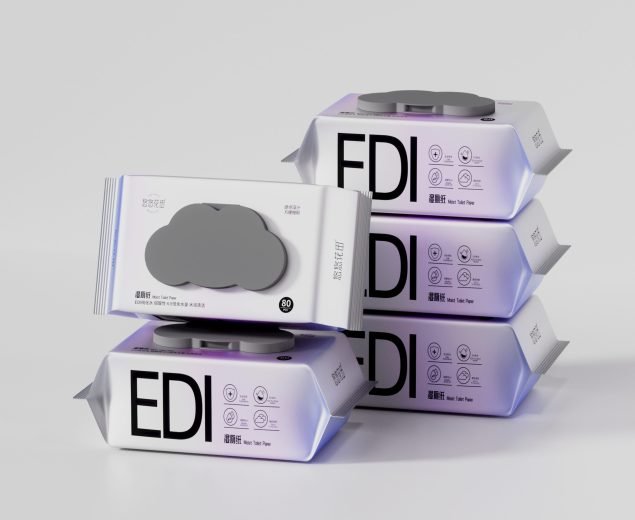
Suitable for home, travel, office, and public restroom use. Individually wrapped or portable container designs cater to on-the-go needs.
Replaces traditional wipes made from polypropylene/polyester non-woven fabrics (which take over 500 years to degrade), thereby reducing microplastic pollution at the source.
After composting, the wipes transform into organic fertilizer, improving soil structure and promoting plant growth, enabling resource recycling and reducing landfill waste.
Made from 100% plant-based materials (bamboo, sugarcane, or wood pulp), which are renewable and biodegradable. The production process uses chlorine-free bleaching (ECF/TCF technology) to avoid dioxin emissions.
The cleaning solution meets food-grade standards, containing plant-derived surfactants (non-ionic, gentle and non-irritating), glycerin (moisturizing), and aloe vera extract (soothing), fully complying with EU REACH and U.S. FDA standards for personal care products.
Manufacturing facilities are certified under ISO 9001, ISO 14001, and GMP standards, equipped with a 100,000-class cleanroom. Each batch undergoes microbiological testing (total bacterial count ≤10 CFU/g, no pathogenic bacteria) to ensure sterility and safety.
Certified under EU ECOCERT, U.S. EPA Safer Choice, and dermatological tests (patch-tested on 50+ volunteers with a 0% irritation rate), confirming safety for long-term skin contact.
Production utilizes renewable energy sources such as solar and wind power, reducing carbon emissions by 65% compared to plastic wipes (verified by third-party carbon footprint audits).
Water consumption for plant fiber production is 30% lower than that of traditional wood pulp. Production wastewater is treated to meet EU GB/T 31962-2015 standards before reuse or discharge.
Our biodegradable wet wipes have obtained globally recognized compost certifications, meeting stringent requirements for biodegradability, non-toxicity, and compost quality:
ASTM D6400
EN 13432
OK Compost Home
Seedling Logo
ASTM International (USA)
European Committee for Standardization (CEN)
TÜV Austria
Australian Bioplastics Association
≥90% biodegradability within 180 days under industrial composting
Heavy metals within limits (Pb ≤50mg/kg, Cd ≤5mg/kg)<br>- Compost product pH 5.5–8.5, no phytotoxicity
≥90% biodegradability within 90 days under industrial composting
≥90% disintegration within 21 days
Compost meets EU fertilizer standards
≥90% biodegradability within 180 days under home composting (25–35°C)
Suitable for home compost bins
Complies with AS 4736 standard
Biodegradable, compostable, no microplastic residue
North American markets and global industrial composting scenarios
European markets and APAC regions (EU-aligned markets)
Global home composting users
Australian and New Zealand markets

Breaks trade barriers in environmentally sensitive markets such as the EU, U.S., Canada, and Japan (where the sale of non-compostable plastic wipes is restricted or banned).

Third-party certification validates environmental claims, helping international clients showcase their ESG (Environmental, Social, Governance) responsibility and enhance brand credibility.

Partner with a manufacturer that prioritizes quality, hygiene, and sustainability.